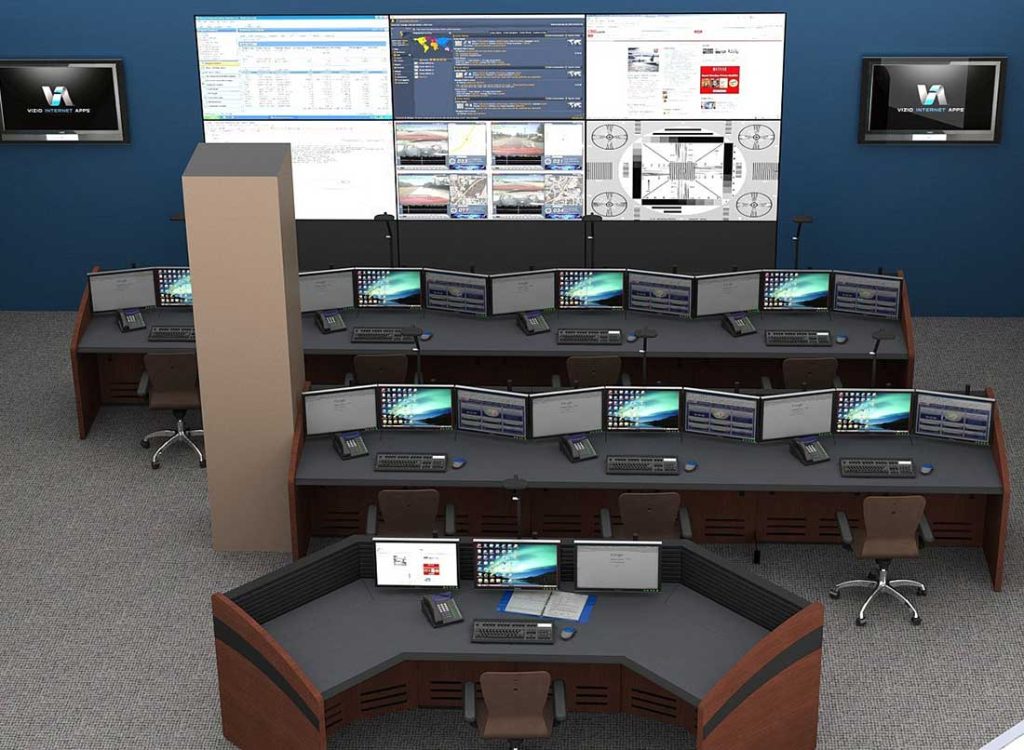
5 Signs Your Control Room Furniture Needs an Upgrade

TL;DR – Quick Summary
- Why It Matters: Outdated control room furniture can slow response times, increase operator fatigue, and limit technology integration.
- Key Signals: Space constraints, ergonomic complaints, staffing growth, and consolidation are clear indicators that it’s time to upgrade.
- Bottom Line: Modern console systems improve performance, scalability, and operator well-being in 24/7 mission-critical environments.
In mission-critical environments, control room furniture is not a cosmetic consideration—it is operational infrastructure. The consoles supporting dispatchers, analysts, and operators directly influence response times, situational awareness, and sustained performance during high-stress, 24/7 operations.
While legacy furniture may appear serviceable on the surface, it often fails to support the density of modern technology, evolving workflows, and the physical demands placed on today’s operators. If your control room is experiencing any of the signs below, it may be time to evaluate whether your current furniture is limiting performance rather than supporting it.
1. Workspace Limitations Are Slowing Operators Down
When operators struggle to access equipment, manage cables, or reposition monitors, your furniture is actively introducing friction into critical workflows. In environments where seconds matter, these inefficiencies can quickly compound.
Modern control rooms typically require:
- Multi-monitor configurations with proper sightlines
- Clear separation between active work zones and equipment areas
- Integrated cable management to prevent clutter and maintenance issues
- Adequate surface area without sacrificing ergonomic posture
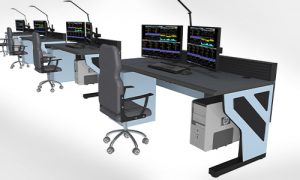
Purpose-built console systems elevate monitors off the work surface, integrate structured cable pathways, and provide equipment bays designed for modern technology loads. If your operators are improvising around space constraints, your furniture is no longer fit for its mission.
2. Organizational Consolidation Has Changed How the Room Operates
Many agencies and enterprises are consolidating operations into unified command environments—bringing together emergency response, security, IT, utilities, or transportation teams into shared spaces.
Legacy furniture designed for isolated functions often struggles in these environments. Modern consolidated control rooms require console systems that:
- Support multiple workflows within a consistent layout
- Enable collaboration without creating visual or acoustic interference
- Maintain uniform ergonomics while allowing role-specific customization
- Present a professional, cohesive environment during high-visibility events
Consolidation is often the moment when outdated furniture becomes impossible to work around—and the ideal opportunity to implement consoles designed for coordinated, multi-discipline operations.
3. Operator Fatigue and Ergonomic Issues Are Increasing
Control room operators differ from typical office workers in one critical way: they often cannot leave their stations during peak events. Extended shifts, continuous monitoring, and high cognitive load make ergonomic design essential—not optional.
Warning signs include:
- Neck, shoulder, or lower back discomfort
- Eye strain from improper monitor height or distance
- Fatigue during long shifts or overnight operations
- Increased reliance on workarounds (stacked monitors, improvised supports)
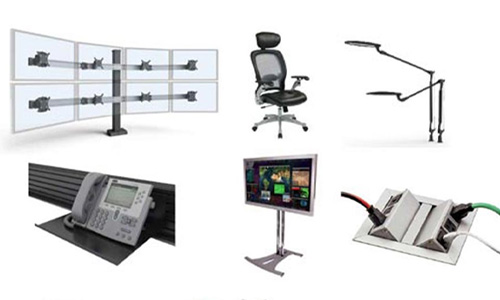
Modern control room consoles integrate height-adjustable work surfaces, precision monitor mounting, and compatibility with 24/7-rated seating—supporting operator health while reducing the risk of long-term injury and performance degradation.
4. Staffing Growth Has Outpaced Your Layout
As operations expand, many organizations assume facility expansion is inevitable. In reality, outdated furniture layouts often waste valuable floor space and limit scalability.
Contemporary console systems enable:
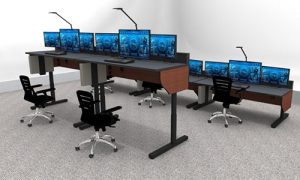
- Higher operator density without crowding
- Modular reconfiguration as teams grow or roles change
- Better use of vertical space through monitor and equipment integration
- Long-term adaptability without full room redesign
In many cases, upgrading console furniture allows organizations to increase operational capacity within the same footprint—avoiding costly construction while improving workflow efficiency.
5. Comfort Complaints Are Becoming Consistent
When operators regularly raise comfort concerns, it’s rarely about preference—it’s about performance. Discomfort leads to distraction, and distraction leads to errors.
Effective control room furniture supports:
- Neutral posture during extended use
- Controlled acoustic conditions
- Reduced glare and visual strain
- Intuitive access to controls without awkward movement
Furniture that forces operators to “work around” discomfort ultimately undermines mission effectiveness. Modern console systems are designed to remove these distractions so operators can remain focused on the task at hand.
The Cost of Delaying an Upgrade
Postponing a furniture upgrade often appears cost-effective—but outdated consoles can quietly erode performance through:
- Slower response during critical events
- Increased operator fatigue and turnover
- Higher injury and workers’ compensation risk
- Limited ability to integrate new technology
- A dated, less credible operational environment
Control room furniture should be viewed as a long-term infrastructure investment—one that supports operational reliability, staff wellbeing, and future adaptability over 15–20 years of service.
When multiple indicators suggest your current furniture is no longer aligned with operational demands, upgrading is not an expense—it is a strategic correction.
Talk to a Control Room Specialist
If your control room is experiencing any of these challenges, Command Watch can help assess your current layout and recommend console solutions designed for modern, mission-critical environments.
Contact us to discuss console furniture upgrades, control room design strategies, or modular systems built for 24/7 operations.
Contact Information:
800-346-7521
cwsales@command-watch.com
Related Guide:
Complete Guide to Control Room Consoles
Learn how to choose the right console system based on durability, operator workload, and 24/7 performance requirements.